
RGB vs RGBW Permanent Lighting: Which Is Better for Your Home?
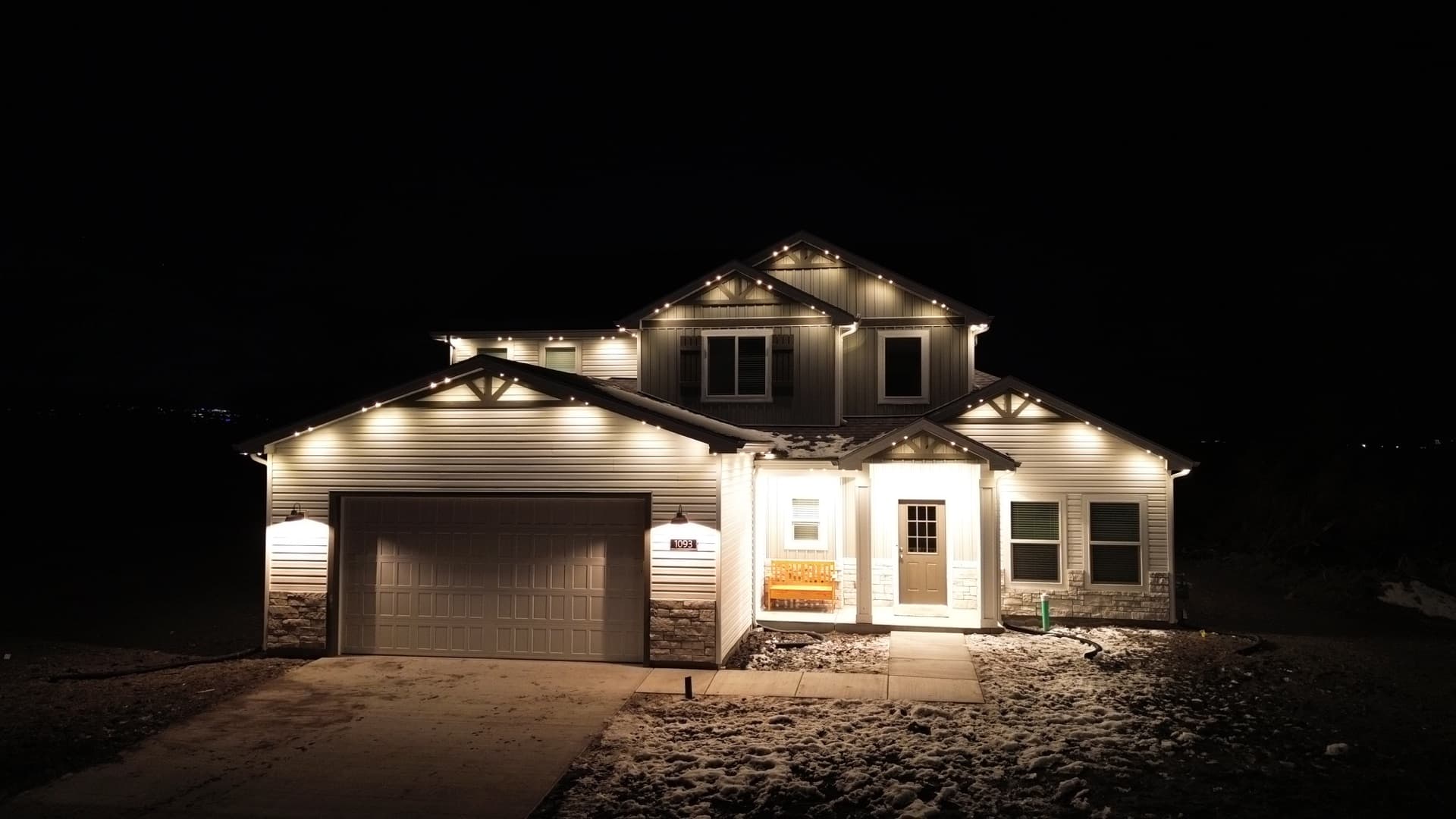
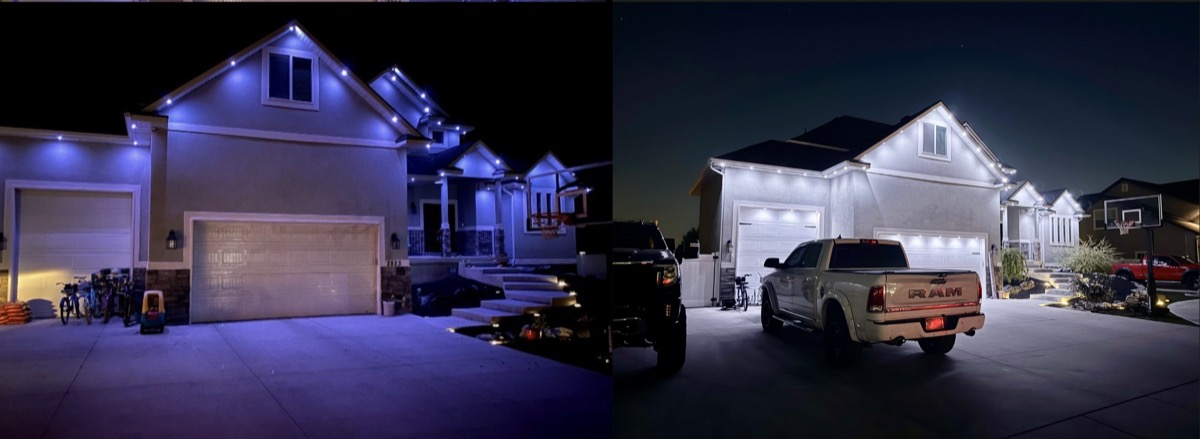
Walk down any street in South Jordan or Herriman after dark and you'll see permanent lights on a handful of homes. Most of them look fine from a distance. But walk up closer and pay attention to the white. Some of those rooflines have a clean, warm glow that looks like it belongs there. Others have a cooler, slightly purple or blue-tinted white that just feels a little off. That difference comes down to three letters: W.
RGB and RGBW are the two types of LED technology used in permanent outdoor lighting systems. The difference between them is one extra LED chip per node, and it changes everything about how your home looks on a normal weeknight. Here's what you need to know before you pick a system.
RGB: How Most Permanent Lights Produce Color
RGB stands for Red, Green, Blue. These are the three primary colors of light, and by mixing them at different intensities, an RGB LED can produce a wide range of colors. Red and green together make yellow. Blue and green make cyan. All three at full power produce white. In theory.
In practice, the white that RGB LEDs produce isn't really white. It's all three color channels firing at maximum, and the result is a cool white with a noticeable blue or violet cast. On a white wall in a showroom, it looks passable. On the warm earth tones that cover most Wasatch Front homes, the tint shows.
This is how most permanent lighting brands work, including Trimlight and JellyFish. They're RGB systems. The colors are great. Red is red. Blue is blue. Green is green. But when you switch to white, which is what most homeowners use 80% of the time, the output has that cool undertone that doesn't quite match the warm feeling you're after.
RGBW: The Extra Chip That Changes Everything
RGBW adds a fourth element: a dedicated warm White LED chip. Instead of mixing three colors and hoping the result looks white, an RGBW system uses a purpose-built white LED to produce warm white light independently.
TruLight SLC's system takes this a step further. Each node has 6 diodes: 3 RGB and 3 dedicated warm white. That's not a minor upgrade. It means:
- True warm white: The white channel produces genuine warm light at a consistent color temperature. No blue tint. No purple cast. It looks like the warm glow of a well-designed home, not a color experiment.
- 2 to 3x brightness: Six diodes per node versus a single RGB bulb means dramatically more light output. Your roofline actually pops at night instead of faintly glowing.
- Better color mixing: When you do want colors, the RGB channels handle that while the white channel can blend in for softer pastels and more natural tones. A warm amber, for example, looks richer on an RGBW system because it's not being created entirely from RGB approximation.
Why Warm White Matters More Than You Think
When people shop for permanent lighting, they get excited about colors. Holiday reds and greens. Game day blues. Halloween orange. That's the fun part. But here's the reality of how these systems actually get used day to day.
After the first few weeks of playing with colors, the vast majority of homeowners settle into a routine. Warm white most nights. Colors for holidays and events. Back to warm white.
That means your "default" look, the one your neighbors see every night, the one that buyers notice when you sell, is warm white. If that white has a cool or blue tint, it reads as slightly cheap or artificial. If it's a true warm white, it reads as architectural and intentional.
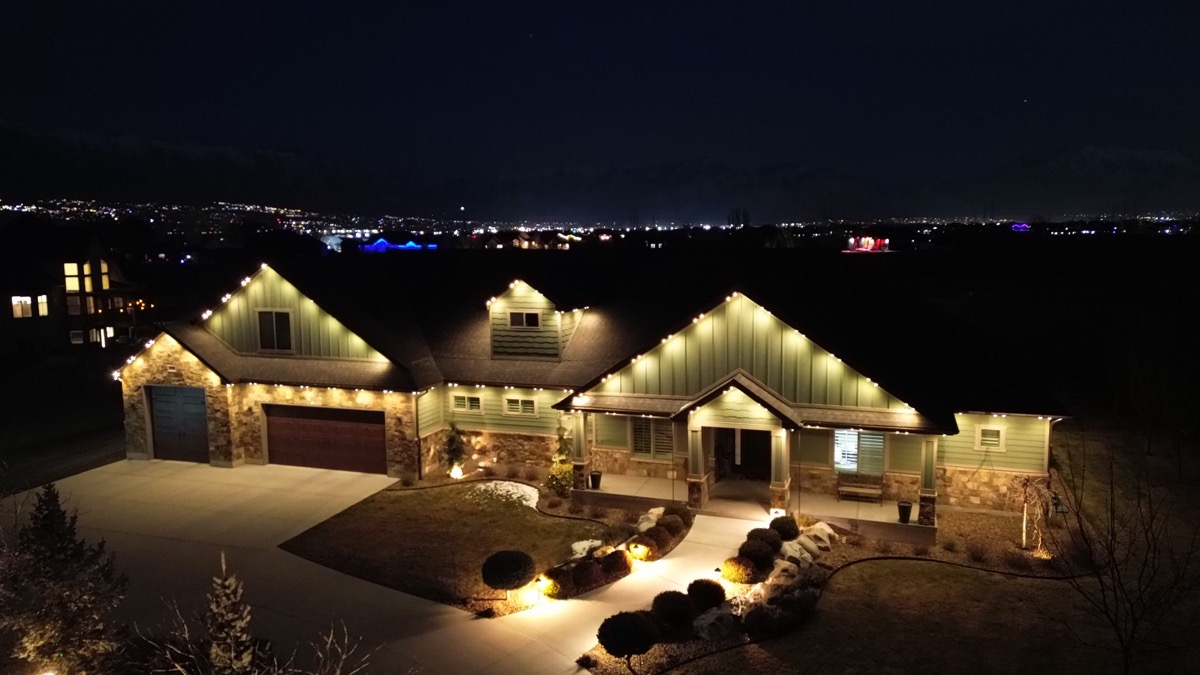
On Utah stone, which has warm tan and brown undertones, RGB white fights the material. RGBW white complements it. On cream or sand-colored stucco, the difference is even more dramatic. The warm white sinks into the surface naturally instead of washing it out with cool light.
If you're investing $3,000 to $5,000 in a permanent system, the quality of the light you'll see 300+ nights a year matters more than the novelty colors you'll use 30 nights a year.
The Brightness Gap
Beyond color quality, there's a raw output difference that's hard to ignore.
A standard RGB permanent lighting system uses one LED per node. Some newer models use 2 or 3 RGB diodes per node. TruLight's RGBW system uses 6 diodes per node. That's not a small gap.
More diodes means more lumens per foot of roofline. On a large home in Draper or up on the SunCrest hillside where the roofline needs to be visible from a distance, brightness matters. A faintly lit roofline doesn't create curb appeal. It just creates a faint outline. Six diodes per node create the kind of clean, defined light that makes a home look finished and intentional from across the street.
If you've seen a permanent lighting system that looked underwhelming at night, low brightness is usually the reason. Want to see the output difference in person? We do free demos on installed homes so you can compare before making a decision.
Wondering what it would cost for your home? Get an instant estimate using our satellite tool. No visit required.
Get Your Free QuoteWhat About Cost?
RGBW systems do cost more than basic RGB. There are more components per node, and the controller hardware is more capable. For a typical Wasatch Front home, the price difference between a basic RGB system and a TruLight RGBW system is real but not dramatic when spread across the lifetime of the product.
Consider what you're getting for that difference:
- True warm white that looks right on your specific home exterior
- 2 to 3 times the brightness per node
- 100,000+ hour rated lifespan (many RGB systems are rated at 22,000 to 50,000 hours)
- A lifetime transferable warranty
- Better color mixing for events and holidays
The per-year cost difference between RGB and RGBW is minimal when you factor in the longer lifespan and the fact that you'll actually be happy with the white output instead of tolerating it.
How to Tell the Difference Before You Buy
If you're comparing systems from different installers, here's the simplest test. Ask them to set the display to white. Stand 20 to 30 feet back. Look at the color temperature.
If the white has any blue, violet, or cool cast to it, that's RGB mixing. If it looks like genuine warm light, similar to a high-quality porch light or a warm incandescent bulb, that's either RGBW or a very high-end tunable white system.
Better yet, look at the white light against your actual home exterior. Ask the installer if they can do a demo on a home with similar materials to yours. Stone, stucco, hardie board, wood. The material makes a huge difference in how the light reads. What looks fine on white vinyl siding might look terrible on sandstone.
We show this comparison to every homeowner who gets a TruLight SLC quote. The reaction is almost always the same: "Oh wow, I didn't realize the white would look that different." Once you see it side by side, it's hard to unsee.
Frequently Asked Questions
Can RGB lights be adjusted to look warmer?
You can adjust the balance toward more red and less blue, but the result is usually a pinkish or salmon tone rather than true warm white. The physics of mixing three colored LEDs just can't replicate what a dedicated warm white chip produces. It's the same reason mixing paint colors never quite matches a purpose-mixed shade.
Do RGBW lights cost more to run?
Slightly more per node due to the additional diodes, but the difference on a monthly power bill is negligible. We're talking pennies per month at Rocky Mountain Power's current rates. The 48V architecture also helps keep efficiency high across the system.
Is RGBW better for security lighting too?
Yes. The brighter output and true white light make RGBW a better option for security and motion-sensor applications. TruLight SLC's system includes motion sensor integration, so you can set specific zones to brighten or change color when motion is detected. A bright, true white flash is more effective as a deterrent than a dim, blue-tinted one.
Will I notice the difference on a painted or vinyl-sided home?
The difference is less dramatic on white or very light exteriors compared to warm-toned stone or stucco. But it's still visible, especially when viewing the lights straight on rather than at an angle. And for any warm-colored surface, including wood, brick, and earth-toned paint, the RGBW advantage is immediately obvious.
Related Articles
This is one of those things that's nearly impossible to explain in text and immediately obvious in person. If you're comparing permanent lighting options and want to see the RGB vs RGBW difference on a real home with real materials, we'll set it up. Free quote, free demo, and you can bring your phone to take pictures. That's the best way to make this call.